School Elements: A Review for Business Branding and Merchandise
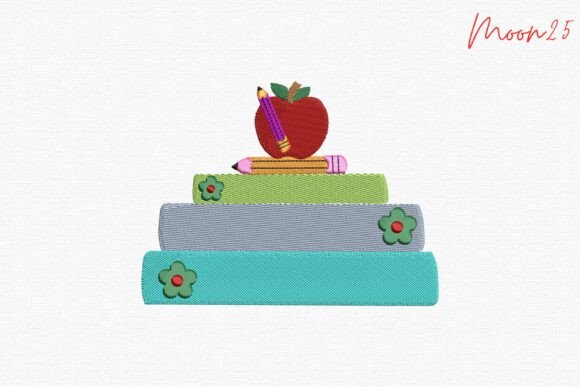
As an embroidery designer working with small businesses daily, my first thought on seeing the title School Elements is of a playful, foundational aesthetic. The description points to a "playful and whimsical touch," which sets a specific tone. For a brand, this isn't just a decorative motif; it's a potential core element of your visual identity.
First Impression: Friendly & Handmade Professionalism
The design suggests a classic, almost rustic charm. It feels friendly and approachable, which is perfect for businesses wanting to convey warmth and authenticity. For a café, boutique, bakery, or creative studio, this style can communicate a "handmade" or "crafted" quality without sacrificing professionalism. It’s not overly bold or modern; it leans toward a timeless, decorative feel that builds trust through familiarity.
Real Business Applications: Beyond Decoration
Thinking purely as a branding tool, School Elements has versatile potential. Its whimsical nature makes it ideal for businesses targeting families, creatives, or communities.
Uniforms & Staff Apparel
As a chest logo accent on staff polo shirts or a subtle sleeve detail on work shirts, it adds personality without overpowering. Embroidered on aprons for a bakery or café, it reinforces a crafted, skilled identity. For a small florist or pet brand, it could serve as a charming patch on a denim work shirt, making staff easily identifiable and the brand feel cohesive.
Merchandise & Customer Engagement
This is where the design truly shines for revenue and brand building. A tote bag featuring School Elements becomes a sellable item that also acts as a walking advertisement. As a cap design, it offers a classic, wearable piece of merch. For Etsy sellers or handmade shops, using it as a small embroidered patch on product packaging or as a label accent elevates the perceived value of the item, signaling attention to detail.
Patches & Product Add-Ons
The design is likely excellent for creating custom embroidered patches. These can be applied to denim jackets, backpacks, or even sold as standalone collectibles for event merch. As a branded add-on to existing products—like sewn onto a tea towel or kitchen linen in a boutique—it transforms a generic item into branded, premium inventory.
Design Performance & Practical Considerations
From a technical embroidery perspective, using any design for business purposes requires careful testing to ensure quality and durability.
Where It Will Excel
On stable, medium-weight fabrics like cotton twill for tote bags, canvas aprons, or standard polo shirt material, the design should perform well. The playful nature suggests it may have open, decorative areas that won't create excessive stitch density, making it comfortable to wear and less prone to puckering on apparel.
Where to Use Carefully
- Small Patch Sizes: If you plan to miniaturize it for a tiny product label or cap front, you must test the embroidery file at that reduced size. Small lettering or intricate outlines can become muddy.
- Curved Surfaces: On caps, the curvature can distort elements; a simplified version or strategic placement is key.
- Dark Fabrics: On dark uniforms or bags, thread color contrast is critical. You may need to adjust palettes for visibility.
- High-Wash Items: For staff uniforms or merchandise that needs frequent laundering, a robust stabilizer and appropriate stitch structure are non-negotiable for longevity.
Impact on Brand Identity & Customer Perception
Choosing School Elements for your commercial embroidery projects isn't just about aesthetics; it's a business decision.
It directly affects brand identity, anchoring your business with a friendly, crafted personality. This consistency across uniforms, merchandise, and packaging builds customer recognition. When a customer sees the same design on your staff's apron, your store's tote bag, and your product label, it reinforces professionalism and trust.
For handmade brands and Etsy sellers, this visual consistency makes your product line feel cohesive and intentional, increasing perceived value. A simple tea towel with an embroidered School Elements accent becomes a "branded" towel, often justifying a higher price point and deepening buyer engagement.
Essential Designer Notes Before Production
Before you run this machine embroidery design for any business application, follow these practical steps.
- Test in Black and White First: Stitch it out on scrap fabric using a single high-contrast color. This reveals the pure structure, outlining potential issues with density or clarity without the distraction of color.
- Check Small-Size Performance: Create a test patch at your intended smallest application size (e.g., 1.5 inches) to ensure details remain crisp.
- Review Thread Color Contrast: Match your thread palette to your actual branded fabrics—test on both light and dark background materials.
- Inspect Spacing & Hoop Size: Confirm the design's dimensions fit your standard hoop sizes for efficient production. Check element spacing to ensure no overly tight areas that could cause fabric distortion.
- Test on Real Target Fabric: Don't just use test cotton. Stitch a sample on the exact fabric of your apron, cap, or tote bag to assess how texture interacts with the design.
- Use Proper Stabilizer: Match stabilizer type and weight to the fabric and end-use. A tote bag needs different support than a lightweight polo shirt.
- Create a Printable Mockup for Client Approval: If you're the embroiderer for a client's business, generate a mockup of the design on a shirt, bag, or cap image for their final sign-off. This prevents misunderstandings.
- Compare Beside Other Brand Assets: Place the stitched sample next to your existing logo or branding materials. Does it complement them visually and feel cohesive?
- Confirm Commercial Licensing: The product description doesn't specify license terms. It is imperative to verify that your digital embroidery file purchase allows for commercial use—production for sale, on merchandise, or for client work—before any business project begins.
Ultimately, School Elements presents a strong opportunity for businesses seeking a friendly, whimsical brand accent. Its success hinges on treating it not as just a decoration, but as a strategic design asset. With thorough testing and smart application, it can become a valuable part of your brand's story, enhancing your custom apparel, staff presence, and sellable merchandise with a consistent, charming touch.