A Craft Fair Designer’s Review: The Colorful Crayon Split
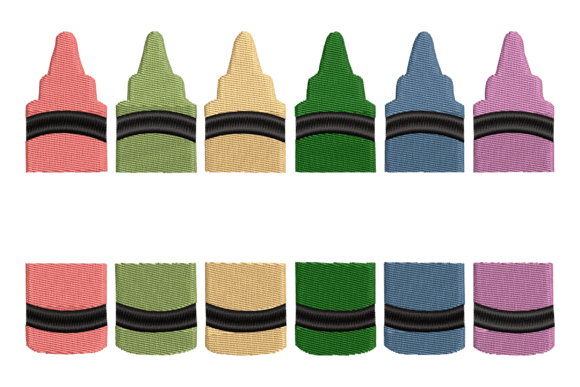
As an embroidery designer preparing my booth for a weekend market, every design gets a practical review. I’m not just looking for beauty; I’m looking for what sells, what produces well, and what makes a customer stop and smile. Today, I’m evaluating the Colorful Crayon Split machine embroidery design. The name alone paints a picture: a playful, whimsical, and inherently joyful graphic. This isn’t a subtle, elegant piece; it’s a fun and bold statement.
First Impression: Whimsical & Nostalgic
The Colorful Crayon Split design feels instantly nostalgic and charming. It taps into a universal, happy memory of school and creativity. For a craft fair product, this is a major advantage. It’s not tied to a specific holiday or trend, making it a year-round seller. The mood is decidedly cute and decorative, leaning into a bright, approachable aesthetic that works beautifully for the handmade market. Customers scanning a booth will recognize the theme at a glance, which is crucial for grabbing attention in a busy environment.
Where This Design Stands Out on the Product Table
When I imagine my display table—filled with tote bags, aprons, tea towels, and patches—I see specific spots where Colorful Crayon Split would shine.
- Tote Bags & Market Bags: This design would be a fantastic focal point on a light-colored canvas tote. Its colorful nature makes it pop, and the ‘school’ theme gives it a friendly, everyday appeal perfect for teachers, parents, or anyone who loves a cheerful accessory.
- Aprons & Kitchen Towels: For kitchen items, this design adds a fun personality. Embroidered on a chef’s apron or a plain tea towel, it transforms a utilitarian item into a giftable, handmade product with character.
- Embroidered Patches & Pouches: As a patch, it’s versatile. It could be ironed onto a backpack or a child’s jacket, making it a quick, customizable sale. On a small fabric pouch, it becomes the entire decoration, perfect for holding pencils or small treasures.
- Pillow Covers & Home Decor: On a pillow cover in a child’s room or a playful living space, it acts as a soft, decorative accent. It feels more ‘handmade gift’ than ‘premium decor,’ which is exactly the vibe for a craft fair.
- Caps: This could be tricky due to curved surfaces, but if the design is sized appropriately and stabilized well, a colorful crayon on a cap would be a unique, standout item, especially for a boutique maker.
The key is using it as a large focal design. Its details and color story need space to be appreciated. As a tiny accent, it might lose its charm and clarity.
Practical Production & Selling Points
Turning a digital embroidery file into a batch of sellable products requires a designer’s eye for detail. Here’s my real-world assessment for Colorful Crayon Split.
Visual Clarity & Photographing for Sales
This design should photograph beautifully for Etsy listings and printable mockups. The bright, contrasting colors will look vibrant online, which is essential for digital sellers. In person, the whimsical touch ensures it feels engaging and high-quality. For booth samples, having one product with this design in a prominent spot will draw eyes. It tells a story instantly, boosting buyer engagement.
Production Considerations for Batch Work
Before running any commercial embroidery, I follow a checklist. For Colorful Crayon Split, I’d note:
- Stitch Density & Details: The description suggests a “charming” design. I would test it on scrap fabric first to check for overly dense stitch areas, especially if the crayons have solid color blocks. High density can cause puckering on lightweight fabrics like t-shirts.
- Thread Contrast: On dark fabrics, the colors must be chosen for maximum pop. A test on dark and light fabric is mandatory.
- Fabric Texture: On textured towels or aprons, the design must be stabilized properly to maintain clean lines.
- Hoop Size & Scaling: Since specifics aren’t provided, I would confirm the optimal hoop size for production. Scaling it down significantly for a small pouch might make tiny details, like potential crayon labels, blur.
- Stabilizer Choice: Using the correct stabilizer for each product type (tote bag vs. cap) is critical to preserve the handmade quality look.
This design feels repeatable for batch production if these tests pass. It’s not overly complex, suggesting it could be efficiently run on multiple items, increasing product value for my small shop.
Careful-Use Notes for the Professional
Every design has its quirks. Based on the theme, I’d be cautious about:
- Applying it to very thick or stiff fabrics where detail might be lost.
- Using it on items with curved surfaces (like caps) without extensive testing.
- Assuming it will work as a small accent; its appeal likely depends on size.
- Selling finished products without confirming the commercial licensing of the embroidery file first.
A final, non-negotiable step: create at least one real mockup. Stitch it out on the actual product you intend to sell, like a tote bag or pillow cover. This reveals everything: thread color interaction, final size, and true visual appeal on the booth table.
The Final Verdict for Craft Fair Success
The Colorful Crayon Split embroidery design is a strong contender for a handmade market booth. Its strengths are its immediate emotional appeal, vibrant visual style, and versatility across popular craft fair products like tote bags and kitchen items. It enhances product value by adding a recognizable, joyful handmade quality. For brand consistency, it fits perfectly with a shop that offers playful, decorative, and gift-focused items.
Its production success hinges on the designer doing their due diligence: testing, stabilizing, and choosing the right fabric colors for maximum contrast. Provided the embroidery file itself is well-digitized with manageable stitch counts, this design can become a reliable, attractive part of your craft fair product lineup. It’s the kind of piece that makes a customer pause, point, and say, “That’s so cute!”—which is, after all, the goal of every item on the table.