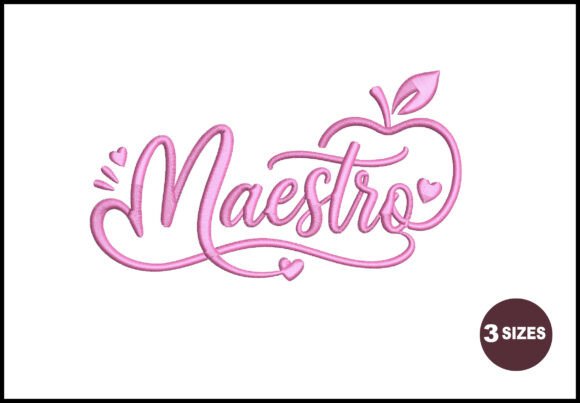
A Designer's Review: Maestro Embroidery for Boutique Apparel
As an embroidery designer planning a new sweatshirt collection, I’m always evaluating new designs with a practical eye. Today, I’m looking at the Maestro embroidery file from Creative Fabrica. With the product categorized as School, it immediately suggests a certain thematic direction, but the real question is how it translates onto the fabric of boutique apparel.
First Impression: The Visual Personality of Maestro
The name Maestro evokes a sense of authority and skill, a classic, almost scholarly vibe. For apparel decorators, this suggests a design with a premium and classic feel, rather than something overly cute or playful. It likely carries a decorative strength that would resonate well on garments aiming for a timeless, quality look. This isn't a fleeting trendy piece; it feels like an embroidery design that could build brand identity around craftsmanship and attention to detail.
Visual Mood and Placement on Apparel
When I imagine applying Maestro to a collection, I think first about placement. On a neutral sweatshirt—a heather grey or cream—this design could become a stunning focal point. Its likely detail level would shine against a simple backdrop. For a pastel hoodie, it might add a sophisticated contrast to the soft color, elevating a casual garment. On dark apparel, like a black denim jacket or a navy hoodie, the stitch contrast would be critical; choosing thread colors with good pop is key here.
Sweatshirt and Hoodie Chest Placement
For a standard left-chest placement on sweatshirts or hoodies, Maestro needs to be evaluated for size. A dense, detailed design can look incredible but requires careful planning for stitch density on stretchy fabric like fleece. This is where testing on scrap fabric from your actual garment becomes indispensable. The right stabilizer choice will prevent puckering and maintain that premium look.
Back Designs and Sleeve Accents
On the back of an oversized garment, Maestro could make a bold statement, perfect for a signature piece in a collection. For sleeve accents, you’d need to consider the curved surfaces and potential movement. Smaller, simplified sections of the design might work better here than the full, potentially intricate layout.
Beyond Sweatshirts: Totes, Tees, and Brand Merchandise
This design’s classic strength makes it versatile for boutique merchandise. On a canvas tote bag, it would convey a sense of quality and durability, enhancing the product's perceived value. For t-shirt embroidery, you must be mindful of the lighter fabric; a very high stitch count might make the tee stiff. Again, testing on a similar fabric scrap is the best practice.
For Etsy sellers and small clothing brands, Maestro offers a cohesive element. Using it across a capsule collection—on sweatshirts, hoodies, and tote bags—creates visual consistency that strengthens brand recognition. It lends a professional presentation to your lifestyle product photos and printable mockups, which directly impacts buyer trust and customer engagement.
Practical Designer Notes for Commercial Use
Before running this machine embroidery design on production garments, there are essential steps. First, always check the Creative Fabrica product details. The listing notes the included file formats: PES, DST, EXP, HUS, VP3, XXX, and SEW. This broad compatibility covers major brands like Brother, Tajima, Melco, Husqvarna, Viking, Janome, Elna, and Kenmor, which is excellent for most shops.
- Test on Scrap Fabric: Hoop a piece of the actual sweatshirt fleece or hoodie material you plan to use. This reveals how the fabric texture interacts with the design's stitch density.
- Review Thread Color Contrast: Plan your thread palette for different garment colors. A design like this needs clarity.
- Confirm Hoop Size: While the exact dimensions aren’t specified here, preview the file in your software to determine the necessary hoop size for your desired placement.
- Compare Placement Options: Stitch it out on test fabric at different sizes and locations to find the most balanced and appealing result.
- Check Licensing: Always review the Creative Fabrica licensing for the Maestro embroidery file to ensure your intended commercial use—selling the finished apparel—is covered.
Where to Use Maestro with Care
Certain applications require extra attention. If the design contains very tiny lettering, it might not stitch cleanly on textured fabrics like ribbed cuffs or collars. Dense stitch areas on dark garments will need bright, opaque threads to prevent the fabric from shadowing the design. Areas that may stretch or wrinkle, like across the shoulders or on curved pockets, demand robust stabilization techniques.
Affecting Apparel Value and Brand Identity
Ultimately, a well-executed embroidery design like Maestro can significantly affect the perceived value of your handmade products. It signals to customers that your boutique brand invests in quality details. That professional finish fosters trust and can turn a simple sweatshirt into a recognized product within your line. For creative entrepreneurs building a shop, these thoughtful design choices compound over time, creating a loyal audience that appreciates the cohesive and crafted aesthetic.
Final Thoughts for the Production Floor
Approaching Maestro as a component for your small shop product collection means seeing it not just as a digital embroidery file, but as a potential brand asset. Its classic, premium mood is its greatest strength for apparel decorators targeting a market that values timeless style. By following the practical embroidery steps—testing, stabilizing, and planning—you can transform this Creative Fabrica embroidery design into a standout element on your sweatshirts, hoodies, and boutique merchandise, creating commercial embroidery products that look and feel professionally made.