A Nostalgic Book Fair Embroidery Design Review
As a designer who stitches both for clients and for my own shop, I approach every new embroidery file with a practical eye. The immediate question isn't just if it’s pretty, but how it will actually perform when the needle hits the fabric. Today, I’m considering the Book Lover Machine Embroidery File, a design that promises to tap into a very specific, warm nostalgia.
The Immediate Mood and Visual Personality
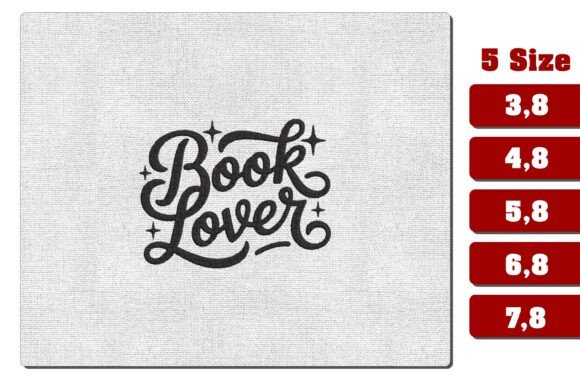
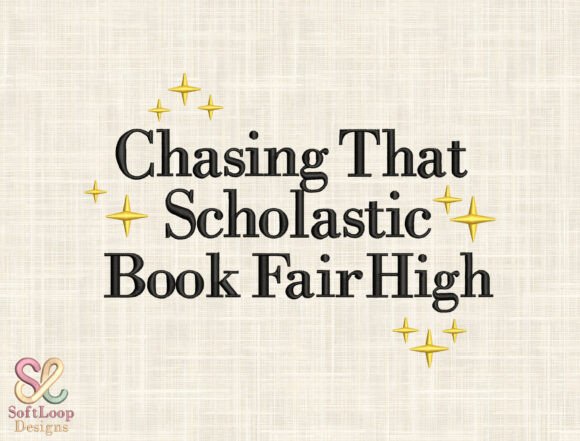
First impressions matter, both for me as the embroiderer and for the eventual customer. This design isn't subtle; it’s witty and relatable by intent. The theme evokes a powerful, shared memory—that childhood excitement of the Scholastic Book Fair. This isn't just a generic book icon. It’s a mood piece. The layout suggests a decorative, almost celebratory feel, perfect for a gift or a personal statement item. The detail level appears to be more about the charm of the message and accompanying elements rather than hyper-realistic illustration, which is a smart choice. It means the design will rely on clean shapes and clear lettering to convey its personality, avoiding the pitfalls of overly dense, tiny details that can blur in stitching.
Where This Design Belongs in Real Projects
I’m already picturing this on a canvas tote bag for a teacher or a librarian. The sentiment is perfect for a gift that’s both personal and professional. For a small business owner or Etsy seller focusing on custom apparel, this would be a strong contender for a lightweight sweatshirt or a tee—items people wear to express a part of their identity. As a personalized gift, imagine it on a high-quality tea towel for a book-loving friend, or as a framed embroidered patch for a home office. The school category is its home, but its appeal stretches to holiday gifts, baby items for new parents who are readers, or even as boutique branding for a small bookstore’s merchandise.
The real-life scenario I’m mentally running is a custom order for an embroidered pillow cover. A client wants a unique gift for her sister, a lifelong book lover. This design, with its nostalgic pull, feels like a winner. It’s more engaging than a simple monogram and tells a story. After stitching, I expect the visual appeal to be high because the theme creates an instant emotional connection. That translates directly to product value and customer trust—they feel you’ve understood a nuanced desire.
Performance on Fabric: Considerations and Care
Not every design works everywhere. For this embroidery file, the key will be clarity. The wording is central to its impact. On textured fabrics like some sweaters or on dark fabric backgrounds, careful thread color choice and proper stabilizer are non-negotiable to keep those letters sharp. I’d avoid very small hoop sizes that might force excessive compression of the elements. While it could be adapted for a curved surface like a cap, the more rectangular, decorative layout likely shines best on flat planes—totes, pillow covers, aprons, or the front of a sweatshirt.
Stitch density in the fill areas, if present, should be checked. Too dense on a thin t-shirt could lead to puckering; too light on a towel might look sparse. This is where testing on scrap fabric first is absolutely crucial. I’d run a test on both a light and a dark scrap to see how the thread colors interact with the background. The design’s handmade presentation and giftability hinge on this professional pre-check.
Designer Notes for a Smooth Stitch Out
Before committing this to a final product, especially for commercial embroidery or selling finished products in your craft business, here’s my practical checklist:
- Test, test, test. Use your scrap fabric that mimics your final product material.
- Examine the file closely for any tiny lettering or intricate corners that might need adjustments for your specific machine or hoop size.
- Plan your thread colors for contrast. A nostalgic, warm palette might work best, but ensure readability.
- Consider creating a printable mockup or a black-and-white digital preview to assess the layout’s balance before stitching.
- Confirm the licensing terms for this digital embroidery file. Can you use it for personal and commercial projects? Always verify this before selling your embroidered tote bags or baby embroidery items.
- Think about the end-use. For items like kitchen towels or baby clothes that need frequent washing, a robust stitch construction and quality thread will ensure longevity.
The Final Judgment on Professional Use
The Book Lover Machine Embroidery File has a clear, strong point of view. In my experience, designs that tap into a specific, positive memory like this have high recognition and engagement. For an Etsy seller or small shop owner, it can become a reliable design asset for a line of holiday embroidery gifts or year-round reader merchandise. Its value lies in its relatability, not just its aesthetic.
For the embroidery process itself, its success will depend on the standard professional practices: correct stabilization, appropriate fabric choice, and mindful color selection. It’s not a design I’d recklessly stitch onto a stretchy knit without preparation. But on the right project—a well-made tote, a crisp apron, a cozy pillow—it will stitch out with a friendly, confident charm that resonates. It feels less like a technical challenge and more like an opportunity to create a product that sparks a smile and a story, which is ultimately what good machine embroidery design should do for your embroidery project and your customer.