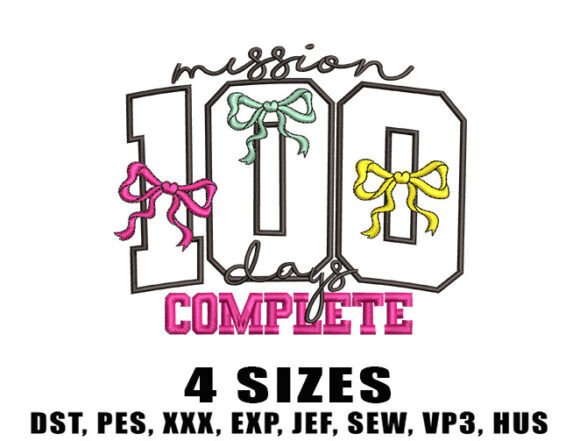
100 Days Complete Embroidery Design: A Designer's Practical Review
First Impressions: Whimsy with a Purpose
When I first opened the 100 Days Complete embroidery file, its charm was immediate. The design carries a playful, celebratory mood that feels both nostalgic and fresh. As an embroidery designer looking for projects that resonate with real customers, this isn't just a decorative element; it's a storytelling tool. The detail level appears balanced, suggesting it should translate well into stitching without becoming overly dense or losing its whimsical personality. It naturally fits projects meant to mark a milestone, celebrate learning, or simply add a cheerful touch to everyday items.
Where This Design Finds Its Home in Real Projects
In my workshop, I consider a design's application range before committing to a project. 100 Days Complete has a versatile scope. Its style makes it a strong candidate for custom apparel like children's t-shirts or commemorative sweatshirts. I envisioned it on a tote bag for a teacher or a student, where the design becomes a focal point. For handmade gifts and Etsy listings, it could beautifully adorn baby blankets, nursery decor pillow covers, or personalized aprons. The thematic nature also lends itself well to craft fair products and boutique merchandise aimed at educators, parents, or anyone celebrating an achievement.
Commercial Use and Product Value Considerations
For small business owners and apparel decorators, using a design like this on commercial embroidery products can directly affect product value and buyer trust. A well-executed, charming design enhances the handmade presentation and overall visual appeal. It can increase giftability and make product photography more engaging. If you're building a brand around celebratory or educational items, this design could contribute to brand consistency. However, its success hinges entirely on practical execution.
Practical Performance on Fabrics and Products
The true test of any machine embroidery design is on the needle. Based on the visual composition, I would approach 100 Days Complete with some careful considerations. If the design includes tiny lettering or very small elements, you must consider the minimum hoop size required. Stitching on textured fabric like towels or stretchy fabric like sweatshirts demands the right stabilizer to preserve detail. For dark fabric, planning thread color contrast is essential to maintain readability and charm.
Projects like curved cap surfaces or embroidered patches require checking for any overly dense stitch areas that might become stiff. For items needing frequent washing, such as kitchen towels or baby items, a robust stitch structure with proper stitch density is key to longevity. I would strongly advise creating light and dark fabric mockups digitally before stitching to visualize the final effect.
A Note on Layers and Details
If the design employs layered details or mixed stitch types like satin stitch for borders or fill stitch for larger areas, inspecting these small details after a test stitch is critical. A running stitch for outlining might require different stabilization than a filled area. Always test on scrap fabric of the same type you plan to use for your final product—whether that's a cotton tote bag, a fleece baby blanket, or a canvas apron.
Essential Steps Before You Stitch for Sale
As a professional, my process with any Creative Fabrica embroidery file involves several non-negotiable checks. First, confirm file details and licensing on the Creative Fabrica product page before selling finished items. The product description provided indicates it's a machine embroidery design for the School category, but specifics like included file formats, exact hoop size range, and the commercial license terms are crucial. Do not assume; always verify these points directly on the site.
Second, after downloading, review the actual digital embroidery file in your software. Check the stitch count visually if possible, and note any color breaks. This helps plan your thread palette. Compare light and dark fabric mockups in your software to see how the design assets will translate. Finally, run a physical test stitch. This allows you to review stitch density, confirm hoop size suitability, and inspect small details after stitching. Only then can you confidently use the design for a real customer order, whether it's a seasonal handmade gift or a batch of commercial embroidery products.
Final Thoughts for Creative Entrepreneurs
100 Days Complete presents a delightful opportunity for embroidery designers and makers. Its whimsical theme has clear market appeal for personalized gifts and celebratory items. The potential to create standout tote bag designs, sweatshirt embroidery, or charming home decor is tangible. However, its worth is not inherent; it's realized through meticulous preparation. The design's success on your chosen product—from caps to pillow covers—will depend on your attention to stabilization, fabric choice, and color selection.
Approach it as a tool in your toolkit. Its value comes from how you apply it. For Etsy sellers and digital product sellers using it in printable mockups, ensure your representation matches the achievable stitched result. For crafters making handmade products, let the design's personality shine through clean, professional execution. If the product details align with your technical requirements and project vision, 100 Days Complete could be a wonderfully rewarding download, adding a fun and meaningful touch to your embroidery work.