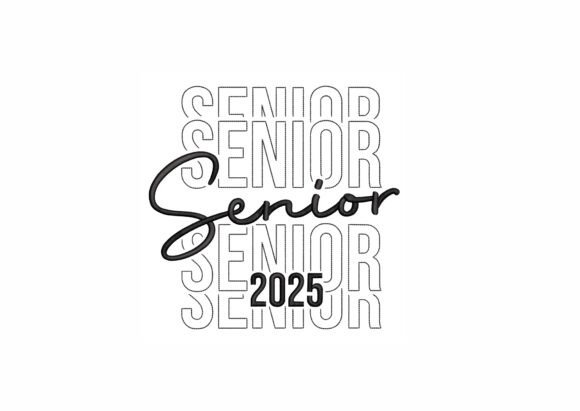
Senior 2025 Embroidery Design: A Practical Review for Real Projects
When I open an embroidery file labeled "Senior 2025," I'm not just looking at a digital image. I'm envisioning a finished product—the fabric texture, the thread sheen, how it will feel to stitch, and how it will look to a customer. This design’s bold proclamation, celebrating a graduation year, immediately sets a clear, celebratory mood. It feels like a confident statement piece, not a subtle accent.
Where This Design Naturally Belongs
Before I even load it into my machine, I’m thinking through applications. This isn't a versatile, all-purpose floral motif. It’s a targeted design with a specific, powerful use case. Its personality leans towards commemorative gifts and personalized apparel. I can instantly picture it on a sweatshirt for a proud graduate, or as a central feature on a tote bag meant to carry memories. For a small business owner crafting boutique items, it would shine as a framed patch or on a pillow cover for a dorm room. The "Senior 2025" theme creates immediate recognition and emotional connection, which is exactly what drives sales for handmade products around graduation season.
A Real-Life Scenario: Crafting a Graduation Tote Bag
Imagine you're preparing a custom embroidered tote bag as a gift for a graduating senior. You want something that feels special, durable, and celebratory. The "Senior 2025" design, with its bold year declaration, becomes the hero element. As a reviewer, my practical judgment is that this design’s layout and scale likely makes it a strong candidate for a bag’s front panel. The visual weight of the numbers and text should anchor the piece nicely, offering good stitch clarity from a distance. It feels like a design that would increase the perceived product value—it’s not generic; it’s a specific, timely keepsake.
Performance in Real Stitching Situations
The promise of eight sizes is a significant practical advantage. It means I can adapt this embroidery file from a small accent on a baby item (like a celebratory bib for a sibling) to a large, statement piece on a blanket or hoodie. For apparel decorators, this flexibility is key. On a cap, the smaller sizes would be crucial to conform to the curved surface without distortion. On a sturdy apron for a graduate heading into a culinary program, a medium-to-large size would assert a professional, personalized touch.
However, the bold nature of the design, likely relying on solid fill stitch areas for the numbers and perhaps satin stitch for lettering, requires careful project planning. On thin fabric like a standard t-shirt, high stitch density could lead to puckering or a stiff feel. My strong advice is to always test the design on scrap fabric first, using the same material and stabilizer you intend for the final project. This is not a design I would blindly run on a delicate, stretchy knit without a proper stabilizer strategy.
Visual Appeal and Customer Perception
From a business perspective, this design affects customer trust and engagement. A clean, well-stitched "Senior 2025" on a product conveys professionalism. It shows attention to detail and an understanding of the occasion. For an Etsy seller, it creates a handmade presentation that feels intentional and skillful, far better than a generic heat-transfer vinyl. It enhances brand consistency for a shop specializing in personalized gifts. The design’s inherent giftability is high—it solves a specific need for a buyer looking for a graduation present.
Caution Areas and Designer Notes
Experienced embroiderers know that not every design fits every context. With a year-based design like this, tiny lettering or intricate details within the numbers could be a concern in the smallest included sizes. If the design has very dense decorative accents, they might not stitch out cleanly on textured fabrics like some blankets or on dark fabric backgrounds without careful thread color contrast selection.
I would always recommend checking the design in black and white mockups to evaluate its form independently of color, and comparing how it looks on both light and dark backgrounds digitally before stitching. For products that need frequent washing, like kitchen towels or apparel, ensuring the stitch structure is secure and the stabilizer is properly removed is vital for longevity.
- Always confirm the exact hoop sizes required for the included sizes before committing to a project.
- Review the stitch density and small detail areas by examining the file in your embroidery software.
- Use proper stabilizer suited to your fabric choice; a bold design demands good foundation.
- Check whether the design licensing covers both personal and commercial projects before selling finished items.
- For digital product sellers, this file is a design asset that can be used in printable mockups to showcase potential finished products.
Final Thoughts for Creative Entrepreneurs
The "Senior 2025" machine embroidery design is a focused tool in your creative arsenal. It’s not a background element; it’s a headline. For crafters and makers targeting the graduation niche, it provides a ready-made, professional solution. Its value lies in its specificity and the emotional resonance of the year. When stitched well on an appropriate product, it delivers a clean, celebratory result that feels custom-made. For your craft business, it can become a reliable item for holiday embroidery collections around graduation season, a staple for small shop merchandise, or a trusted file for commercial embroidery projects like team jackets for graduating sports squads. Approach it with practical preparation—test, stabilize, and match it to the right project—and it will likely become a rewarding part of your embroidery project repertoire.