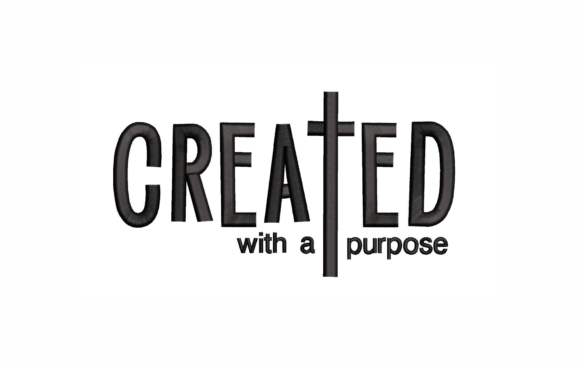
Created with a Purpose Embroidery Design: A Practical Review
The Moment You Load the File
When you first open Created with a Purpose on your machine’s screen, its clarity is immediately apparent. This isn’t a fussy, overly ornate piece—it’s a statement. The layout feels balanced and purposeful, exactly as the name suggests. The typography is clean and substantial enough to read well from a distance, which is a critical first impression for any design destined for a physical product. The theme is clearly inspirational and faith-based, but it carries a universal warmth. It doesn’t shout; it invites. My initial thought was how perfectly this would sit on a cozy, well-made sweatshirt or the front of a canvas tote bag. It has the visual personality of a reminder, something meant to be seen and felt daily.
Where This Design Naturally Belongs
From a practical project standpoint, Created with a Purpose feels like it was made for the kinds of items we create with care. I pictured it instantly on a gift—a pillow cover for a friend, a tea towel in a kitchen, or a simple patch applied to a denim jacket. For small business owners and Etsy sellers, this design elevates basic merchandise. Imagine it embroidered on the corner of a blanket, the front of a baby’s bib, or centered on an apron. It turns a simple tote bag into an uplifting, meaningful product. The “School” categorization might hint at teacher gifts or student encouragement items, but its application is far wider. It’s a design for handmade shops that want to offer something with soul, not just another generic logo.
A Real Scenario: The Custom Sweatshirt Order
Let’s walk through a real case. A client requests a custom embroidered sweatshirt as a gift for her sister. She wants something inspiring, personal, but not overly floral or delicate. I load Created with a Purpose in a medium size. On a dark heather gray sweatshirt, I’d plan for a bright white or a soft cream thread. The design’s solid forms and open layout mean the stitch density should be manageable—no crazy thread buildup that makes the sweatshirt stiff or uncomfortable. After stitching, the words will be crisp. The recipient isn’t just getting a sweatshirt; she’s getting a wearable encouragement. That’s the value this embroidery file adds: it transforms the product’s emotional weight.
Performance on Actual Fabrics & Products
For commercial embroidery and craft business projects, performance is key. On stable fabrics like cotton twill (for tote bags), linen (for pillow covers), or standard fleece (for sweatshirts), Created with a Purpose should stitch out cleanly. The likely use of satin stitches for the lettering and fill stitches for any decorative accents will require good stabilizer, but the design doesn’t look overly dense or detail-choked. On textured fabrics like terry cloth or on thin, stretchy fabrics for baby clothes, you’d need to be more cautious—possibly opting for a smaller hoop size and a robust stabilizer to preserve clarity. On curved surfaces like caps, the larger sizes might need adaptation, but the medium or smaller versions could work beautifully on a cap front.
For dark fabric backgrounds, thread color contrast is everything. A pale thread will make this design pop. On light fabrics, a darker thread could give it a grounded, printed look. Always, always test on scrap fabric first. Run a small size to check how the tiny details, if any, in the decorative elements hold up. This isn’t just about avoiding errors; it’s about seeing how the design feels once stitched. Does it retain its inspiring mood? Does it look professionally made?
Points of Careful Consideration
While Created with a Purpose is versatile, a thoughtful embroiderer knows where to apply caution. If the design includes very small lettering in the smallest hoop size, it might become less readable on highly textured fabrics. For products destined for frequent washing—like kitchen towels or baby items—the stitch integrity matters. Using quality thread and ensuring proper stabilizer during embroidery will help it endure. For layered garments with seams or pockets underneath, consider placement so the embroidery isn’t distorted.
Another note: for handmade presentation and brand consistency, this design works as a stand-alone statement. If you’re a creative entrepreneur using it across a product line—say, on aprons, totes, and tea towels for your small shop—it creates a cohesive, recognizable theme. That builds customer trust. They see a thoughtful curation, not random designs.
The Giftability Factor
This is a highly giftable design. It carries meaning without being specific to a single person, making it perfect for holiday gifts, wedding gifts, or just a “thinking of you” present. As a boutique product or craft fair item, it will engage buyers looking for something with a positive message. The finished product feels personal even if it’s not personalized with a name. That’s a powerful commercial asset.
Practical Designer Notes Before You Stitch
Before committing this design to a client project or your own merchandise, do your due diligence. Since the product description mentions it comes in 5 sizes, review which hoop size aligns with your intended item. Check the actual embroidery file for stitch density in the preview; look for any extremely dense fill areas that might require multiple needle passes or cause puckering.
- Test it on both light and dark scrap fabric to judge thread color choices.
- Create simple black and white printable mockups to see how it looks as a digital product preview.
- Confirm the licensing terms for Created with a Purpose. Can you use it for commercial embroidery projects, selling finished tote bags or sweatshirts? Or is it for personal use only? Never assume.
- If selling the finished product, like an embroidered patch or apparel, your professionalism hinges on these checks. Your customer’s reaction to the final stitch quality will directly impact your reputation.
Final Impression for Makers
Created with a Purpose is a design that serves a purpose for the maker as much as the end user. It’s a workhorse for uplifting projects. It doesn’t try to do too much, which in embroidery is a strength. It leaves room for your craftsmanship to shine. Whether you’re an apparel decorator adding it to a custom order, a hobbyist making a gift, or a digital product seller considering it for your portfolio, its value lies in its clear, heartfelt execution. Just remember: the best embroidery design is one that stitches out well and feels right. From my perspective, this one, with proper preparation, will do exactly that.